


The spread is a price, not a setting
Every instrument is quoted twice: a bid, where the market buys from you, and an ask, where it sells to you. The gap between the two is the spread. On gold it is wider than on the major currency pairs, and it is the first cost a position pays, before the market has moved at all.
Two brokers can show the same chart and charge very differently. Some quote a raw spread and take a commission per lot; others fold their margin into a wider spread and charge nothing on the ticket. Neither is dishonest, but the totals differ — and on gold the difference is larger than on almost anything else you will trade.
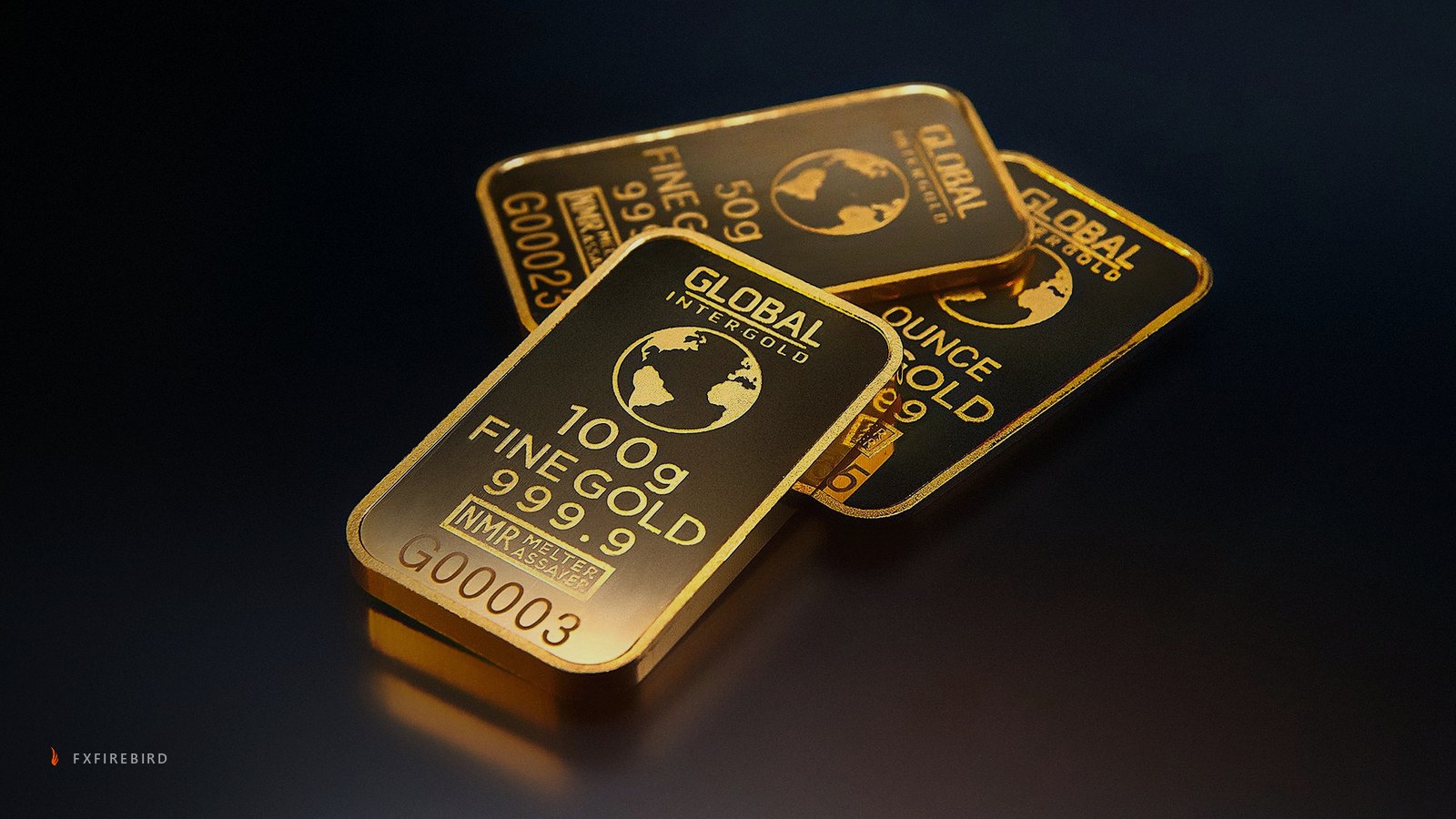
When gold gets expensive
A gold spread is not a number to memorise. It breathes with the market: tight when several liquidity providers are competing, wider the moment they step back.
Four moments account for most of the widening:
- Rollover. Around the daily close and reopen, spreads can multiply for a few minutes while order books are reset.
- Data. Inflation prints, employment reports and central-bank decisions move gold first and everything else after.
- Session handovers. The hour when London hands over to New York is liquid but unstable; the quiet hours before Asia opens are thin.
- Thin days. Public holidays and the last hours of Friday compress liquidity, and the spread with it.
Why a backtest can flatter a system
Most strategy tests run on one fixed spread, chosen once and applied to years of data. Real gold does not work that way. A system that looks calm in a test may be entering exactly in the minutes when the spread triples — and the test never charges it for that.
The same is true of slippage: the difference between the price you asked for and the price you got. On gold, around news, it is not a rounding error. A test that assumes perfect fills is not measuring the system you will run; it is measuring an ideal version of it.
What to look for before you automate
You do not need to predict the spread. You need a system that respects it. Four questions are worth more than any indicator:
- Does it read the spread before sending an order, and can it decline the trade?
- Can you cap the spread, so a normal hour is traded and a violent one is left alone?
- Does it set a realistic slippage tolerance instead of assuming the quoted price?
- Has it been run on the same account type and broker you will use, not only on a demo with perfect conditions?
The unglamorous part
The traders who last on gold are rarely the ones with the cleverest entry. They are the ones who accept that execution is part of the strategy: the spread is a cost, the news is a condition, and a system that sits out a bad minute is doing its job.
That is why the first line we ask a client to read on the panel is not the profit line. It is the status, the broker and the connection — the evidence that the system is there, talking to the market, before it is asked to do anything with it.